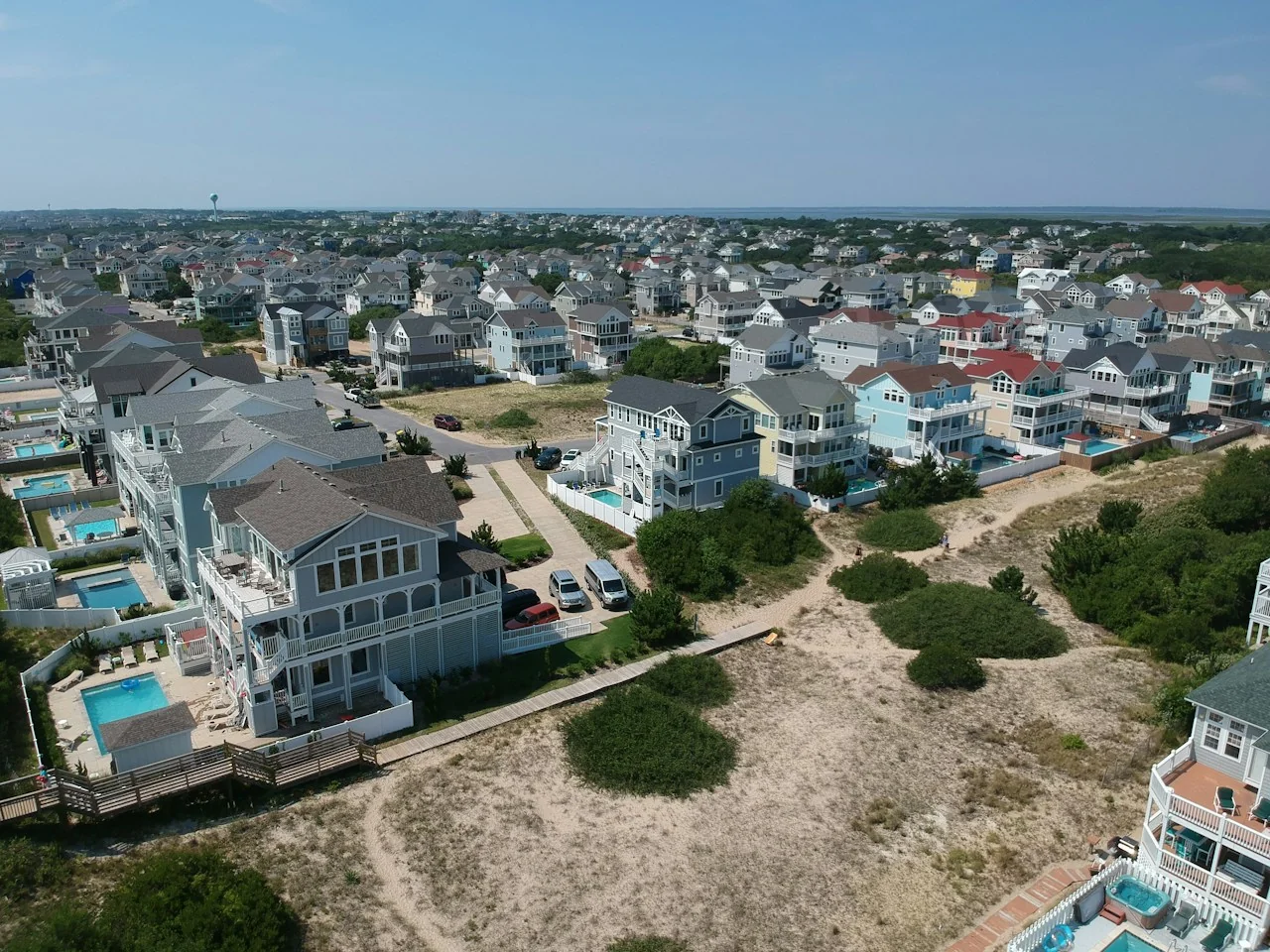
Quick answer: Beach house insurance needs to match both the coastal setting and the people staying there. NC DOI says a homeowners policy may exclude wind and usually excludes flood, so one policy can leave important questions open. Begin with occupancy, then review wind, flood and waterfront structures separately.
A beach house may be your full-time residence, a family retreat or a rental business. For Outer Banks beach house insurance, define that use first and then describe the building, belongings and amenities.
A little help getting started
Ask Piper
Have a question before you begin? Piper, our automated guide, helps you find your next step.
No spam. No lead selling. No pressure parade. Just local guidance.
Turn a familiar property description into useful insurance facts.
0 of 4 checked
Check off what you have. You can start with what you know.
The words beach house do not identify the insurance form or prove that a property is oceanfront.
01
Why might a beach house need separate wind and flood policies?
Wind-driven damage and rising floodwater raise different policy questions. Check the wind exclusion in the main policy and compare any wind-only proposal with a separate flood contract. A hurricane label is not a substitute for identifying the cause of loss and the policy that addresses it.
Ask how the contract defines vacancy and unoccupancy, whether the insurer accepts your pattern of absences and what care or heat requirements apply. Give the reviewer the actual schedule and any renovation plans. Do not use a general number of empty days in place of the policy wording.
Does renting a beach house change the policy discussion?
Disclose paid stays, owner visits, property management and amenities before coverage is selected. Ask about guest liability, furnishings and covered rental-income interruptions. A personal-use policy or booking platform program should not be assumed to protect a full rental operation.
Use the exact setting to describe the property. For ocean exposure, gather construction, lower-enclosure and deck records. For a sound or canal property, inventory docks, lifts, bulkheads and shared ownership agreements. Confirm the actual building’s flood map instead of assigning a zone from its marketing description.
No. The insurer needs to evaluate the ownership, occupancy, construction and other property facts.
Should I report a new pool or elevator?
+
Tell the insurer about new amenities and ask whether the change affects eligibility, liability or other policy terms.
What should I clarify about a furnished beach house before closing?
+
Separate the building estimate from the furnishings and equipment included in the sale. Record planned owner stays and rentals, plus amenities such as a pool or elevator. Ask the agent which items and activities appear in the proposal, and what still needs an inventory or separate coverage review.