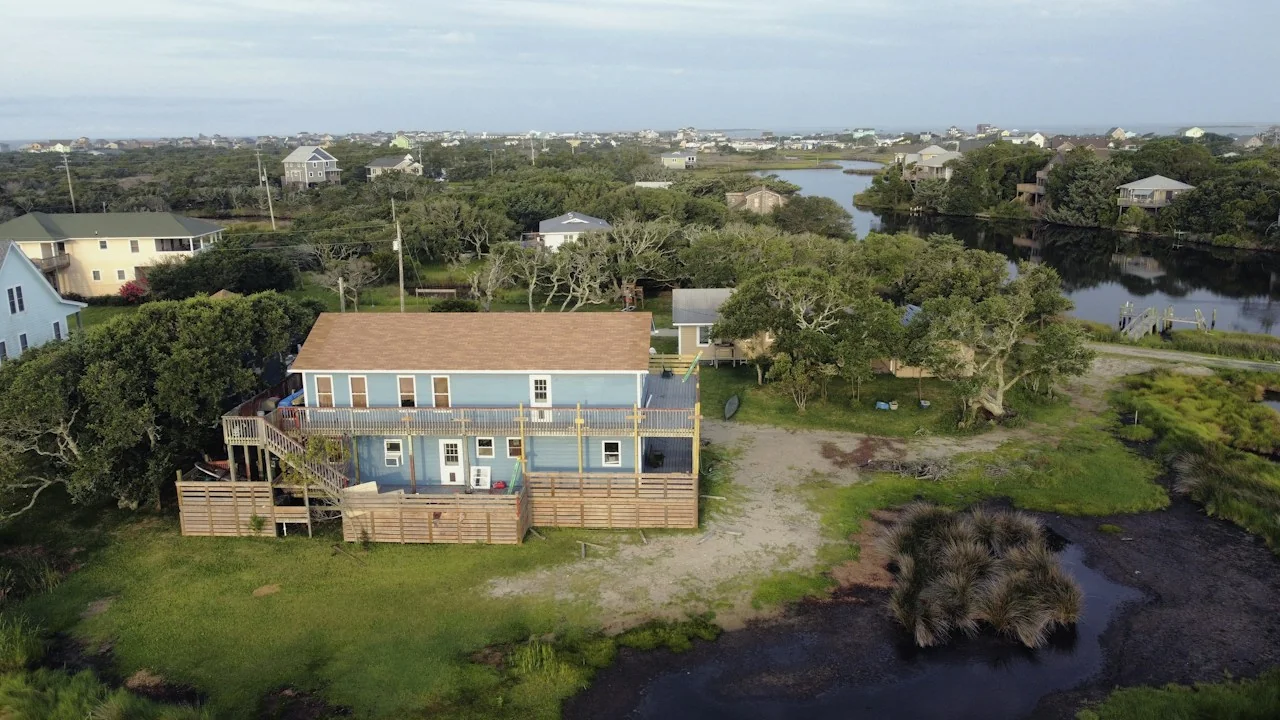
One coastal home. Different kinds of storm damage. Outer Banks wind and flood insurance need to be reviewed together, even when they come from separate insurers. Start here to organize the questions, documents and dates for your property.
A little help getting started
Ask Piper
Have a question before you begin? Piper, our automated guide, helps you find your next step.
No spam. No lead selling. No pressure parade. Just local guidance.
A clearer picture of wind and flood for your coastal home.
0 of 6 checked
Check off what you have. You can start with what you know.
Buying a home, renewing or reviewing a second home? Bring the home, wind and flood details into one request. A licensed North Carolina insurance professional must confirm the coverage and effective dates.
01
Wind and flood answer different coverage questions
Wind and hail may be included in a homeowners policy or excluded and insured separately. Standard homeowners insurance does not cover flood damage. A storm can raise both questions, so ask where each protection appears in your actual policy documents. The guides below explain each coverage in more detail.
Gather the declarations pages for your home, any separate wind policy and any flood policy. Check that the address, named insured, occupancy and effective dates reflect the same property and situation. Note any missing document or unclear exclusion for review. You can begin a request even if you do not have every answer.
Compare deductibles before comparing the total price
Ask which deductible applies to wind, hail and a named storm, and have any percentage translated into dollars using the policy’s insured amount. Review flood deductibles separately: NFIP building and contents coverage have separate deductibles. Keep those amounts beside the premiums so you can discuss the potential out-of-pocket cost.
Share your closing date and the lender’s written insurance requirements early. Ask when each proposed policy can take effect. NFIP flood coverage generally has a 30-day waiting period, with exceptions; confirm whether an exception applies before relying on it. Sending a request here does not put coverage in force.
Tell the reviewer whether this is your year-round home, an owner-used second home or a vacation rental. List rental weeks, recent renovations, roof records and any documents supplied by the seller. Keep the property facts together so you do not have to reconstruct them for each coverage conversation.
Write down which policies you already have, what you want explained and when you need a response. Piper can help gather those details for your request. Keep policy numbers and documents available for the follow-up conversation; you do not need to paste sensitive documents into the guide.
Gather the home, wind and flood questions in one place, with your property address and deadline. Piper can help you prepare the request.
Official-source context
Resources to verify while you prepare
These official resources support the educational side of the guide. Your property-specific quotes, advice, binding, and servicing still come from a licensed North Carolina insurance agent.
Questions about Outer Banks wind and flood insurance
Is wind and flood insurance one policy?
+
Do not assume so. Wind may be included in your homeowners policy or insured separately, while flood requires its own coverage. Ask the agent or insurer to identify the relevant policies and explain how their terms fit together.
Does homeowners insurance cover storm surge or flooding?
+
Standard homeowners insurance does not cover flood damage. Review a separate flood policy and ask the insurer how its terms apply to the water damage you are concerned about.
Should I consider flood insurance if my lender does not require it?
+
A lender’s requirement does not describe every flood risk. Properties outside mapped high-risk areas can still flood. Discuss the address, available flood information and policy options with a licensed professional.
Can I start without my current policy documents?
+
Yes. Begin with the address, how the home is used and your closing or renewal date. Mark unknown details as unknown. The documents can help the later review, but a request alone does not confirm coverage or an effective date.