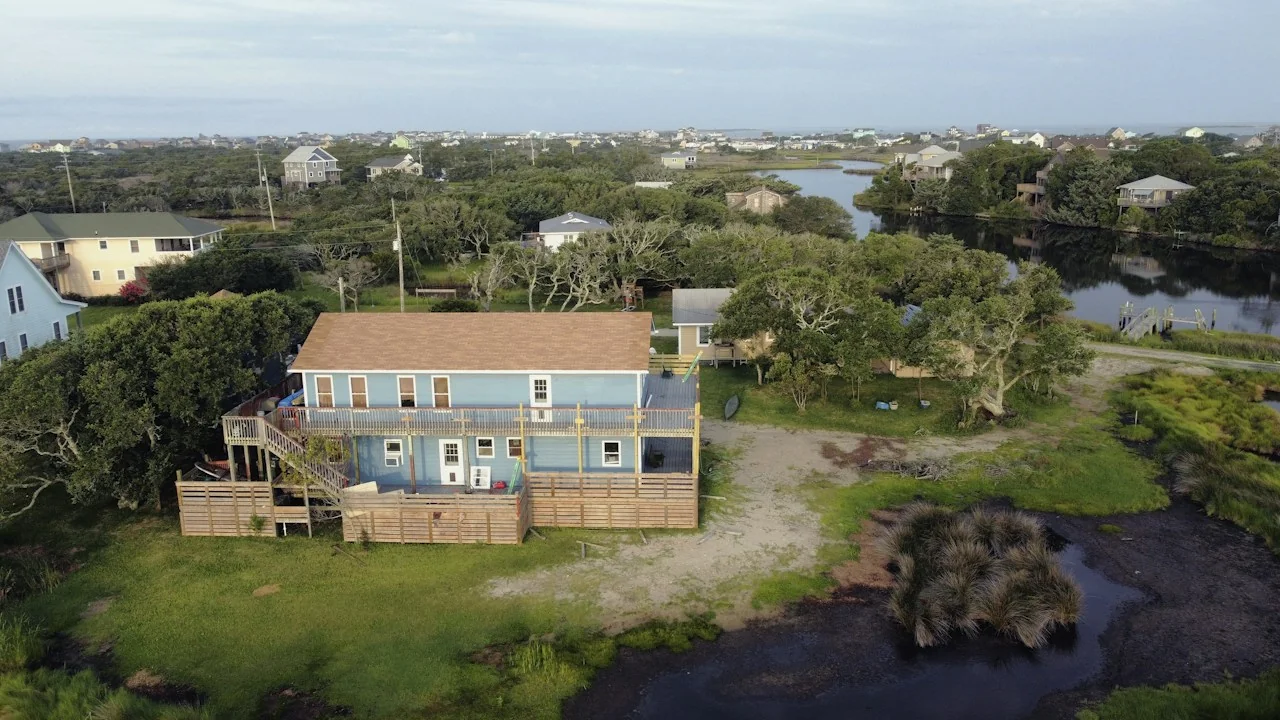
Quick answer: Choose an Outer Banks property insurance path by ownership and occupancy: house, condo, second home, short-term rental or landlord property. NC DOI notes that dwelling policies can fit seasonal and rental uses and typically lack the liability package found in homeowners coverage. Use the comparison to prepare the right documents.
The right Outer Banks property insurance discussion depends on what you own and how it is occupied. Start with the ownership and use, then work through the building, belongings, liability and coastal hazards.
A little help getting started
Ask Piper
Have a question before you begin? Piper, our automated guide, helps you find your next step.
No spam. No lead selling. No pressure parade. Just local guidance.
Match your property to the relevant coverage questions.
0 of 4 checked
Check off what you have. You can start with what you know.
Use this page to choose a property-specific guide; use the homeowners guide for the home-policy comparison.
01
Which property are you insuring?
Begin with the legal owner and the person using the property. Bring association documents for a condo, rental records for a guest property and a separate inventory for each address. A portfolio summary helps organize the discussion without treating different homes as interchangeable.
Tell the reviewer before an owner-used house becomes a paid rental, a tenant leaves, or renovation creates an empty period. Ask the insurer to explain the permitted use and its vacancy and unoccupancy wording. Request a form-specific answer for the proposed situation.
List addresses, title holders, use, insurer and renewal date one row at a time. Include any separate wind or flood policy on its own line. Flag shared ownership and possible umbrella questions so the agent can discuss the full picture.
The phrase covers several kinds of insurance. Identify the specific homeowners, dwelling, unit-owner, wind or flood policy in a proposal rather than relying on a broad label.
What if the property has more than one use?
+
Describe each use and how often it occurs. Ask the insurer to confirm how the proposed policy handles those activities.
What should I explain if the property's use will change after purchase?
+
Describe both the current use and your planned use, including the expected change date. Identify tenants, paid guests, construction or long empty periods. Ask the agent to review the proposal against those plans before choosing coverage rather than relying on the seller's policy description.